Torn between the charm of a Main Street Victorian and the ease of a brand‑new build? You are not alone. In St. Charles, both options have real advantages, from walkable riverfront blocks to turnkey neighborhoods with modern systems. In this guide, you will learn how each choice fits your lifestyle, budget, and long‑term plans, with local context on permits, HOAs, flood risk, financing, and incentives. Let’s dive in.
Where you will find each option
Historic core: Main Street and Frenchtown
If you love character and a lively streetscape, start along Historic Main Street and the surrounding St. Charles Historic District. The district includes 19th‑century commercial facades, brick homes, and a walkable mix of dining and events that make downtown a year‑round destination. You can explore the area’s background through the National Park Service’s overview of the St. Charles Historic District.
Just north, Frenchtown offers its own distinct identity. Buildings there date from roughly 1830 to 1940, with architectural types like Greek Revival and Late Victorian noted in preservation records. Read more about the Frenchtown Historic District to get a feel for the styles and boundaries.
New construction: subdivisions and planned communities
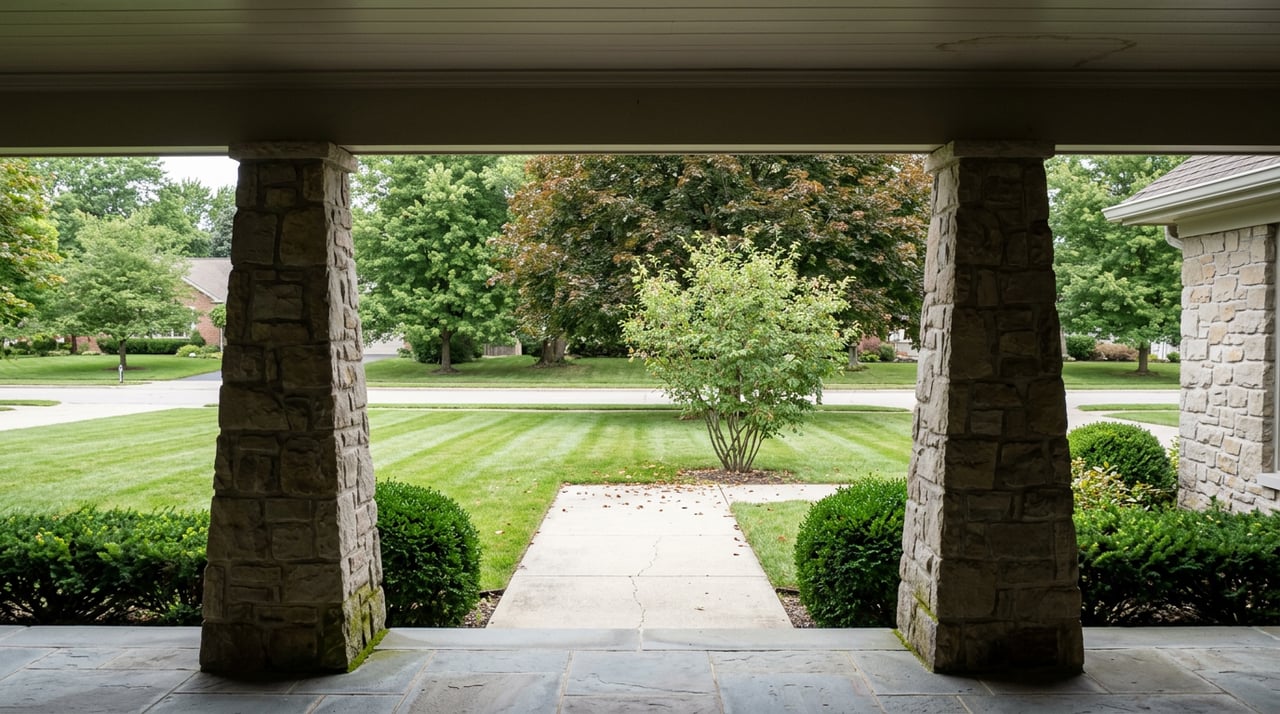
If you want modern layouts and energy‑efficient systems, look to newer subdivisions in and around St. Charles. Neighborhoods commonly feature standardized floor plans, attached garages, and either private lots or maintenance‑managed yards. In nearby municipalities, master‑planned communities add amenities such as trails and playgrounds. New‑build pockets continue to expand across the area, and many market features like community pools or pocket parks.
Riverfront redevelopment in progress
Ongoing riverfront work also shapes housing choices. The city’s multi‑phase plan includes the Riverpointe project, a mixed‑use area with townhomes and condos, restaurants, hotels, and a man‑made lake. This activity affects nearby demand and required flood‑elevation work on certain parcels. For context on timing and scope, see local coverage of the Riverpointe development.
What living there feels like
Hallmarks of historic homes
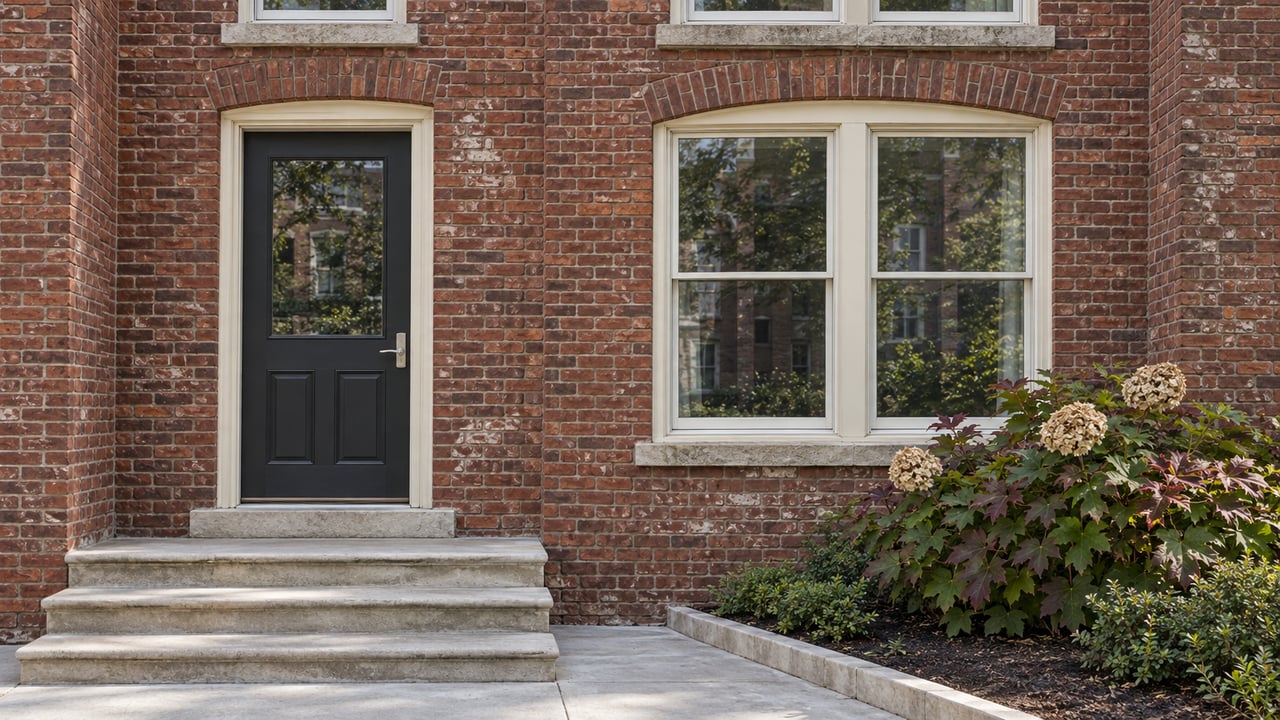
You will notice masonry facades, ornate millwork, front porches, and narrow lots with smaller setbacks. Many homes pre‑date today’s mechanical systems, which adds character and also complexity when you plan upgrades. Preservation guidance typically favors repair‑first approaches for features like windows and masonry, which can require specialized trades and careful sequencing. For a sense of best practices, see the National Park Service’s preservation by topic resources.
Hallmarks of new builds
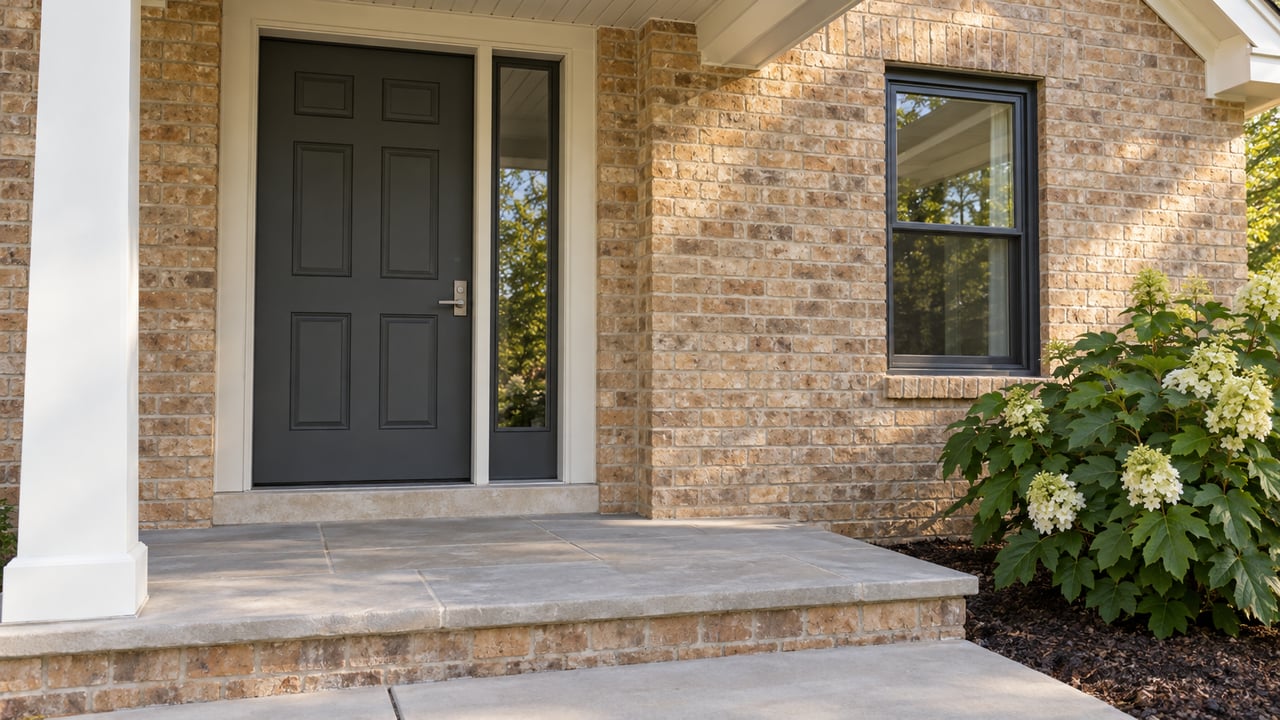
Newer neighborhoods prioritize everyday convenience. Expect open floor plans, updated electrical and plumbing, energy‑efficient envelopes, and attached or side‑entry garages. Exterior standards are usually set by covenants and enforced by a homeowners association, which can help keep streetscapes consistent. Amenity‑rich developments may charge higher dues in exchange for services like lawn care or common‑area maintenance.
Rules, permits, and use
Historic district reviews
If you are considering a property in a historic area, confirm whether local preservation rules apply. Exterior changes may require a Certificate of Appropriateness, and boundaries can vary by block. The City of St. Charles provides planning and GIS resources to check overlays and districts before you write an offer. Start with the city’s maps and GIS page.
Short‑term rentals near downtown
If part of your plan is vacation‑rental income, review the city’s current short‑term rental ordinance. In 2025, St. Charles limited new residential short‑term rentals to the Extended Historic Preservation District and set a low cap. Always confirm whether a specific address is eligible before you factor STR income into your budget. See the city’s Short‑Term Rentals guidance for details.
Renovation and ongoing costs
Common older‑home projects
Older properties often need system updates that newer homes do not. Common items include:
- Electrical upgrades, including panel capacity and replacement of legacy wiring.
- Plumbing replacements of galvanized or cast‑iron sections.
- Roof, flashing, and masonry tuckpointing on brick or stone.
- Repair or restoration of wood trim and windows.
- Environmental considerations such as lead‑based paint in pre‑1978 homes and possible asbestos in some materials.
NPS briefs recommend repair‑first strategies for masonry and windows to preserve character, which may influence your scope and bids. You can review preservation guidance on the NPS preservation by topic page for planning tips.
HOA, covenants, and services in newer areas
In newer subdivisions, covenants and an HOA or POA typically govern exterior appearance, lot use, and shared spaces. Dues vary widely. Neighborhoods with pools, trails, or maintenance packages often have higher monthly assessments that shift some upkeep away from individual owners. Before you buy, read the CC&Rs, ask about recent or upcoming special assessments, and confirm what services are covered.
Risk and insurance
Floodplain realities by the river
River‑adjacent parcels merit extra due diligence. Riverfront redevelopment has included elevation and flood‑plain work in order to move forward, which matters for design approvals and insurance requirements. For an example, local reporting on Riverpointe discusses site grading and coordination with federal processes. Review the Riverpointe coverage to understand why elevation can be a factor.
Two key steps help you evaluate a specific address:
- Check the county’s flood layer for parcel‑level status. Start with the St. Charles County flood zone GIS layer and request an Elevation Certificate if the property appears affected.
- Get a flood‑insurance quote early. FEMA’s Risk Rating 2.0 pricing changed how the National Flood Insurance Program sets rates, so premiums vary by property details. A quick primer on how flood insurance works is available here: What is flood insurance.
Financing and incentives
Buying and renovating with one loan
If you want historic character but need to update systems, you can combine the purchase and the work into a single mortgage. HUD’s FHA 203(k) Rehabilitation Mortgage allows you to finance improvements with the acquisition. Lender experience matters, and you will need detailed contractor bids and a clear scope. Learn the basics of the FHA 203(k) program.
Historic tax credits in Missouri
Planning a certified rehab of a qualifying historic home? Missouri’s Historic Tax Credit program can materially affect your project economics. The program requires pre‑approval, documentation, and compliance with the Secretary of the Interior’s Standards. Owner‑occupied projects can be eligible in many cases, and income‑producing properties may also qualify for the federal 20 percent credit. Review current rules on the Missouri DED’s Historic Preservation Tax Credit Program.
Resale and market patterns
Historic districts often correlate with stable or stronger values over time where walkability and design quality are preserved. At the same time, local regulations can shape short‑term dynamics depending on how reviews are handled. The takeaway for you is practical: if you maintain character and document improvements, both historic and new‑construction homes in St. Charles can resell well, with different buyer pools and marketing angles.
Market figures change frequently and vary by ZIP code and product type. Use current MLS data when you are ready to act and pair it with a property‑specific strategy.
Quick decision guide
Use this checklist as you compare homes:
Character and curb appeal
- Historic: One‑of‑a‑kind details, walkable blocks near Main Street and Frenchtown.
- New: Fresh finishes, cohesive streetscapes, consistent neighborhood look.
Predictability and upkeep
- Historic: More unknowns behind walls; plan for phased upgrades and preservation‑minded repairs.
- New: Modern systems and warranties reduce near‑term surprises.
Rules and timeline
- Historic: Exterior changes may require local review. Confirm district status early.
- New: HOA and covenants govern exteriors, additions, and common areas.
Flexibility of use
- Historic: Short‑term rental eligibility is tightly limited and capped in specific areas near downtown. Verify before you buy.
- New: STR rules vary by city and HOA. Check both sets of rules.
Location context
- Historic: Proximity to festivals, restaurants, and riverfront amenities. Evaluate flood‑zone status and insurance.
- New: Often set back from the river with larger lots or planned amenities.
Budget and financing
- Historic: Consider renovation loans and potential state historic tax credits.
- New: Higher upfront price for turn‑key convenience, plus HOA dues tied to services.
How we help you choose with confidence
You do not have to navigate these trade‑offs alone. Our team brings deep local knowledge of downtown St. Charles micro‑markets and a day‑to‑day handle on new‑construction options across the metro. We map historic overlays, review CC&Rs, coordinate property‑specific flood checks, and connect you with lenders experienced in renovation products. If a certified rehab is the right path, we help you start the historic tax credit conversation early so you can plan scope, timing, and budget with clarity.
Ready to compare real listings side by side and run the numbers on each path? Reach out to Show + Sell STL to talk through your goals, tour options, and choose a smart strategy for your next move.
FAQs
What permits do I need to update a historic St. Charles home?
- Start by checking whether the address sits in a local historic overlay. Exterior changes may require a Certificate of Appropriateness. Use the city’s maps and GIS page to confirm boundaries, then speak with staff before you finalize plans.
Can I run a short‑term rental near Main Street in St. Charles?
- New residential STRs are restricted and capped within defined areas. Review the city’s current Short‑Term Rentals guidance and verify eligibility for the exact property before assuming rental income.
How do HOAs and covenants work in newer St. Charles subdivisions?
- Most new neighborhoods have CC&Rs enforced by an HOA. Dues and rules vary based on amenities and services, so read documents carefully and ask about upcoming assessments before you offer.
What flood risks should I check before buying near the river in St. Charles?
- Confirm flood‑zone status through the county’s flood zone GIS layer, request an Elevation Certificate if relevant, and get a property‑specific quote since FEMA’s Risk Rating 2.0 changed NFIP pricing. This overview of flood insurance explains key factors.
What loan lets me buy and renovate a historic St. Charles home with one mortgage?
- HUD’s FHA 203(k) Rehabilitation Mortgage combines purchase and improvement costs. You will need experienced lenders, documented bids, and extra time for approvals.
Do Missouri historic tax credits apply to owner‑occupied homes in St. Charles?
- Many owner‑occupied projects in certified historic structures can be eligible, subject to program rules, pre‑approval, and compliance with preservation standards. Review the Missouri DED’s Historic Preservation Tax Credit Program for current requirements.