If you are selling a waterfront or river-adjacent home in St. Charles, you already know the usual home-selling playbook is not enough. Buyers tend to look closely at river views, trail access, flood-zone questions, insurance costs, and how the property fits into the broader Missouri River lifestyle. The good news is that with the right preparation, you can reduce uncertainty, highlight what makes your home special, and position it more confidently in the market. Let’s dive in.
Why river-adjacent homes sell differently
St. Charles is deeply connected to the Missouri River. The city describes itself as a restored historic city on the Missouri River and the oldest city on the Missouri River, which gives river-adjacent homes a unique identity in the local market. That location story matters because buyers are often evaluating more than square footage when they consider these properties.
For many buyers, the appeal includes proximity to places like Frontier Park and the river corridor, the Riverwalk and Katy Trail connection, and convenient access to outdoor recreation. Nearby areas such as Historic Downtown St. Charles, Frenchtown, and New Town also shape how buyers view value, especially when a home offers access to established public amenities and neighborhood connections.
The Boschert Greenway further ties together New Town, Historic Downtown St. Charles, and the Katy Trail, while Frenchtown is identified as being bordered on the east by the Missouri River. When you sell a home in or near this corridor, you are often selling a location experience, not just a structure.
Start with flood-zone clarity
One of the first questions buyers ask about a river-adjacent home is simple: is it in a flood zone? In St. Charles, the City participates in the National Flood Insurance Program, and its Planning Division administers floodplain regulations to remain in that program. At the same time, the City states that it cannot legally determine whether a property is in the floodplain.
That official determination must come from a flood-zone determination company, an insurance provider, or a Registered Missouri Land Surveyor, according to the City’s floodplain information page. This is important because buyers, lenders, and insurers may each review flood-risk information during the transaction.
A smart move before listing is to gather the same public resources buyers are likely to use. The City’s GIS mapping page directs residents to FEMA Flood Insurance Rate Maps and the St. Charles County flood-zone map service, both of which can help support early due diligence.
Why early verification helps
When flood-zone details are unclear, buyers may hesitate or assume the worst. If you can point to the right mapping tools and explain what documentation already exists, you help create a smoother conversation during showings, inspections, and contract negotiations.
This does not mean making legal determinations yourself. It means being prepared, organized, and transparent so buyers know where to verify information.
Understand disclosure expectations
Missouri does not have a specific state law requiring sellers to disclose a property’s flood-zone status or past flood damage in a separate flood-specific disclosure. However, Missouri sellers are still expected to disclose known material facts that could affect value or safety.
According to Missouri’s state floodplain bulletin, known past flooding and related damage fall into that category. In practical terms, that means minimizing or hiding flood history can create serious problems later.
Missouri REALTORS® also uses residential disclosure forms designed to capture adverse material facts, physical defects, environmental hazards, and repair history. The association also publishes a separate waterfront rider for properties with features such as docks, slips, or lifts.
What buyers want to see
Most buyers are not looking for perfection. They are looking for clarity. If your home has had flooding, repairs, mitigation work, or insurance claims, clean documentation can go a long way toward building trust.
Helpful records may include:
- Repair invoices
- Contractor receipts
- Insurance claim history
- Documentation of flood mitigation work
- Any existing elevation certificate
- Records for permitted improvements
Check permits before pre-listing updates
If you are planning repairs or improvements before listing, do not assume the normal rules apply. The City states that if a property is in the floodplain, a floodplain development permit is required before any construction or improvement, even if a building permit is not otherwise required.
That guidance comes directly from the City’s floodplain information resource. For sellers, this matters because a rushed pre-listing project can create avoidable delays if permit requirements are missed.
Questions to ask early
Before you start work, consider these basic questions:
- Is the property in a mapped floodplain?
- Does an elevation certificate already exist?
- Will the planned work require a floodplain development permit?
- Do you have records for prior repairs or upgrades?
Getting these answers early can help you avoid surprises once your home hits the market.
Prepare for flood insurance questions
Flood insurance is another topic that often comes up quickly with river-adjacent homes. FloodSmart explains that most homeowners insurance policies do not cover flood damage, which can surprise buyers who are new to waterfront or river-corridor property.
FloodSmart also notes that if a property is located in a Special Flood Hazard Area and the buyer has a government-backed mortgage, flood insurance is required. Some lenders may also require flood insurance even outside a high-risk area.
If you already carry flood insurance, it can help to have basic policy information ready for discussion. If you have an elevation certificate, that may also be useful, since FEMA and FloodSmart note that elevation certificates can help insurers assess risk and may reduce premiums in some cases.
Price with appraisal in mind
River-adjacent homes can be harder to price than standard suburban listings because there are often fewer close comparables. A buyer may love your view, trail access, lot orientation, or outdoor setting, but the appraisal still has to support the contract price.
Fannie Mae’s appraisal guidance explains that when recent comparable sales with the same design and appeal are limited, appraisers may need to use older sales, similar properties in competing neighborhoods, or other reliable market data, as long as the adjustments are supported.
Freddie Mac’s appraisal standards and UAD guidance also recognize that some location and view features may not fit neatly into standard categories. In those cases, appraisers may use “Other” and provide additional explanation.
How you can support value
You cannot control the appraisal, but you can make the property’s value story easier to understand. A well-prepared listing package can help highlight the features that may not show up clearly in a generic comp search.
Useful items to organize include:
- Documentation of river views or river proximity
- Trail or park access details
- Elevation certificates, if available
- Records of flood mitigation work
- Permit documentation for improvements
- Notes on outdoor amenities or waterfront-related features
This kind of preparation can help the appraiser and buyer understand why your home may differ from nearby sales.
Market the lifestyle, not just the layout
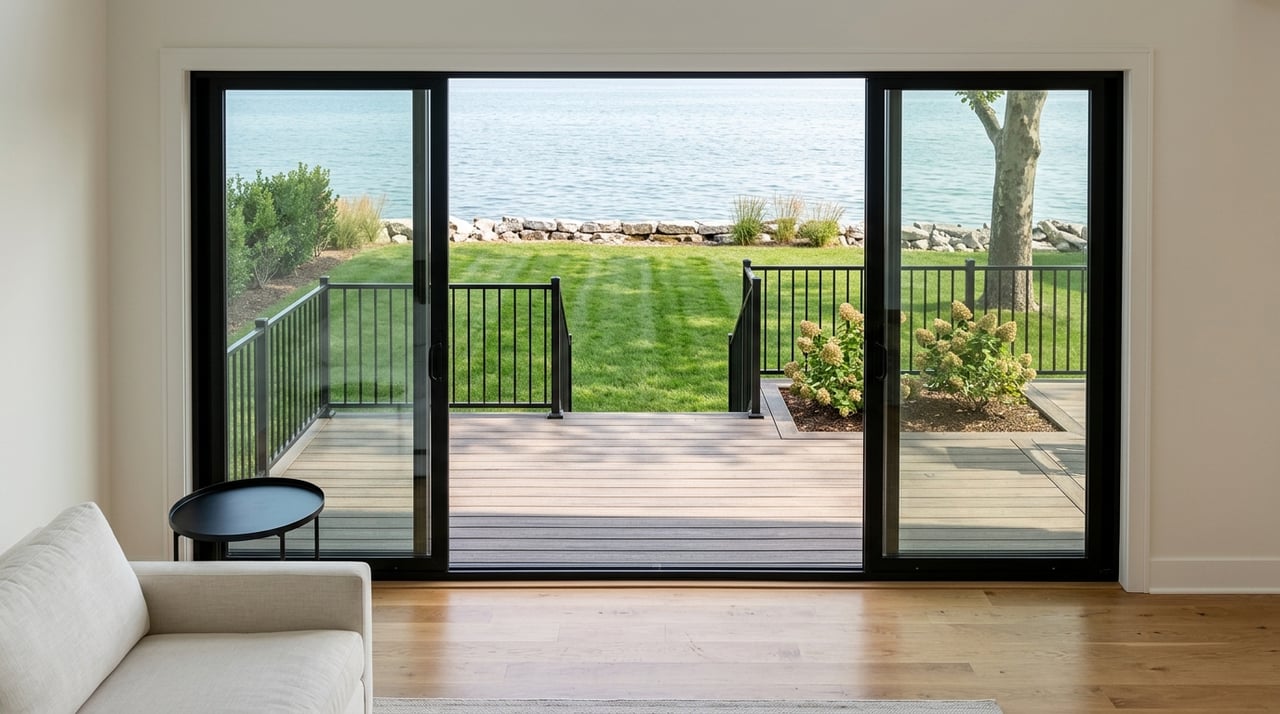
For many St. Charles river-adjacent homes, the strongest selling point is lifestyle. Public amenities in the corridor help buyers picture how they would actually live there, and that is often more powerful than a list of room dimensions.
The City highlights Frontier Park, Riverside Drive, river access, and St. Charles’s Missouri River identity. City materials also reference the Katy Trail trailhead area, including a boat ramp and fishing access on the Missouri River, which can add meaningful context for buyers who value outdoor recreation and walkable public spaces.
St. Charles is also actively investing in the corridor. The City’s current projects page references ongoing Riverwalk and Katy Trail improvements, including ADA sidewalks, separated bike and pedestrian paths, and Frontier Park enhancements. That helps position trail and park access as part of a durable public amenity network.
Features worth emphasizing
When your home is near the river, focus on the things buyers cannot easily recreate somewhere else:
- River views
- Access to parks and trails
- Connection to Historic Downtown St. Charles
- Proximity to Frenchtown or New Town corridors
- Outdoor entertaining areas
- Sense of place within St. Charles’s riverfront setting
These are often the details that make buyers feel an emotional connection to the home.
Build a strong pre-listing plan
A river-adjacent listing usually benefits from more preparation upfront than a standard listing. The goal is to reduce buyer uncertainty before it can affect showings, offers, or financing.
A practical pre-listing plan may include:
- Confirm flood-zone status using the appropriate public and professional resources.
- Check whether an elevation certificate already exists.
- Review whether any repairs or improvements need a floodplain development permit.
- Gather flood insurance details and claim history, if applicable.
- Organize records for repairs, mitigation work, and permitted upgrades.
- Prepare marketing that clearly shows views, access, and outdoor lifestyle features.
This kind of preparation helps buyers move from curiosity to confidence more quickly.
Why presentation still matters
Even with all the technical details, presentation is still a major part of a successful sale. Buyers need confidence in both the property and the process. Clean documentation helps with the process, while strong visuals and clear positioning help them connect with the home.
That is where a thoughtful, full-service strategy can make a difference. For a home with location-sensitive value, you want the listing to present the property clearly, answer predictable buyer questions early, and highlight the river-adjacent advantages that make it stand out.
If you are thinking about selling your St. Charles waterfront or river-adjacent home, Show + Sell STL can help you create a smart plan, prepare your home for the market, and position it for the strongest possible launch.
FAQs
How do you check flood-zone status for a river-adjacent home in St. Charles?
- You can start with the City’s GIS resources, FEMA Flood Insurance Rate Maps, the St. Charles County flood-zone map service, or a flood-zone determination company, since the City does not make the legal determination itself.
Do sellers of river-adjacent homes in Missouri need to disclose past flooding?
- Yes, if you know about past flooding or related damage, it may be considered a material fact that could affect value or safety and should be disclosed.
Is flood insurance required for a St. Charles river-adjacent home?
- It may be required if the property is in a Special Flood Hazard Area and the buyer has a government-backed mortgage, and some lenders may require it outside high-risk areas too.
Can pre-listing repairs on a St. Charles floodplain property require a permit?
- Yes, the City states that if a property is in the floodplain, a floodplain development permit is required before construction or improvement, even when a building permit is not otherwise required.
Why are river-adjacent homes in St. Charles harder to price?
- They often have fewer directly comparable sales, so appraisers may need to make supported adjustments for features such as views, location, and access to amenities.
What should sellers highlight when marketing a river-adjacent home in St. Charles?
- Focus on verified lifestyle advantages like river views, access to Frontier Park and the Katy Trail corridor, outdoor space, and the home’s connection to St. Charles’s riverfront areas.