Trying to choose between a condo and a townhome in St. Louis? You are likely weighing monthly fees, who handles maintenance, and how to avoid surprise costs. The right choice can give you low‑maintenance living and predictable budgeting. In this guide, you will learn how ownership works, what dues cover, who maintains what, how insurance differs, and how to evaluate an association before you write an offer. Let’s dive in.
Condo vs. townhome ownership basics
How title and control work
Condominiums typically give you title to the interior of your unit and a shared interest in common elements like the roof, exterior, hallways, and amenities. A condo association, run by an elected board and often a professional manager, sets budgets and fees and maintains common elements. Townhomes come in two legal flavors in St. Louis: fee‑simple townhomes with an HOA, and townhomes that are structured legally as condominiums. Your responsibilities depend on the governing documents, not just the label.
What that means for your budget
In many condos, the association handles exterior and major systems, so monthly fees may be higher but large building costs are shared. Fee‑simple townhomes can have lower dues if owners handle their own exterior maintenance, but that shifts more repair risk to you. Townhomes set up as condominiums function more like condos, with the association responsible for exteriors and common elements. In Missouri, exact obligations come from the recorded declaration and bylaws, so always review those documents.
Monthly fees: what drives costs
What typical fees include
Monthly condo or HOA dues often cover:
- Common area maintenance and landscaping
- Building exterior and structural upkeep
- Utilities for common areas, sometimes water, gas, or trash for units
- Building insurance on a master policy
- Reserve fund contributions for capital replacements
- Professional management and administrative costs
- Security or amenities such as a gym or pool
- Snow removal and pest control
Why condo fees are often higher
High‑rise or mid‑rise buildings have shared vertical systems like elevators and centralized HVAC that require specialized servicing. Older buildings and loft conversions can carry higher capital needs over time. More amenities raise operating costs, and insurance needs tend to be larger for big buildings.
When townhome fees are lower
If owners handle their roof, exterior, and yard, HOA responsibilities can be limited to roads, common landscaping, and any amenities. That structure can keep dues lower, though newer planned communities with amenities may still have higher monthly fees.
Fee variability in St. Louis
Fees vary widely based on building type, age, location, and whether utilities are bundled. Downtown and central neighborhoods with older or amenity‑rich buildings may have different cost profiles than near‑urban townhome communities. For budgeting, look at the current fee, what it covers, and the history of increases or assessments.
Maintenance and insurance: who covers what
Condominiums
- Association: Exterior, roof, structure, building systems that serve multiple units, common areas, and amenities.
- Owner: Interior finishes, fixtures, and items within the unit boundaries as defined by the declaration.
Fee‑simple townhomes
- Owner: Exterior elements assigned to the lot, often including roof, siding, driveway, and yard.
- Association: Common elements like private roads, shared landscaping, and any amenities.
Townhomes structured as condos
These often mirror standard condominium responsibilities, with the association covering exterior and common elements. Always confirm in the governing documents.
Insurance you will likely need
- Association master policy: Covers common elements and, depending on the declaration, the building exterior and structural components. Policy limits and deductibles matter, because owners can be assessed for deductible amounts after a loss.
- Owner policy: Condo owners typically carry an HO‑6 policy for interior finishes, personal property, liability, and loss assessment coverage. Fee‑simple townhome owners usually carry an HO‑3 or HO‑5 policy that insures the structure and the lot improvements. If a townhome is legally a condo, HO‑6 is usually appropriate, but confirm what the master policy covers.
- St. Louis considerations: Parts of the region are in floodplains near rivers or low‑lying areas, and standard homeowner or HO‑6 policies do not cover flood. Older buildings and historic conversions may affect insurance costs or coverage specifics. Ask for the master policy certificate and deductible details.
Special assessments and reserves
What a special assessment is
A special assessment is a one‑time charge when the association lacks funds to cover repairs, capital projects, emergencies, insurance shortfalls, or legal costs. They can happen in both condos and townhome communities.
Common triggers
- Large repairs such as roofing, parking deck work, or water damage remediation
- Deferred maintenance catching up to an older building
- Litigation or insurance claim shortfalls
- Underfunded reserves
Why reserves matter
Reserves are set aside for predictable replacements like roofs, paving, and elevators. A professional reserve study estimates future needs and a funding schedule. Not every association has one, and the absence of a study or low reserves can be a red flag.
How to gauge financial health
Ask for the annual operating budget, current reserve balance, and any reserve study. Review special assessment history, dues increases, delinquency rates, and whether there is pending litigation. Professional audits or CPA reviews add clarity and confidence.
How to evaluate a specific property
Documents to request
- Declaration, bylaws, and rules
- Current operating budget and recent financial statements
- Reserve study, if available, and current reserve balance
- Board meeting minutes for the past 12 to 24 months
- Insurance certificate detailing master policy limits and deductibles
- History of assessments, liens, and delinquencies
- Any pending litigation or claims
- List of included services and utilities, plus parking and storage specifics
- Rental and short‑term rental rules, owner‑occupancy caps if any
- Estoppel or resale package showing the seller’s account status and fees
Questions to ask the association or manager
- What do monthly fees cover, and which utilities are included?
- How much is in reserves, and when was the last reserve study completed?
- Have dues increased recently, and what is the board’s approach to increases?
- What capital projects are planned in the next 1 to 5 years, and how will they be funded?
- Are any special assessments, litigation, or insurance claims pending?
- Is the condo project approved for the type of financing you plan to use?
- What are the policies on rentals, pets, and unit alterations?
Red flags to watch for
- No reserve study and very low or zero reserves
- Repeated or large special assessments
- High delinquency rates for dues
- Ongoing litigation
- High master policy deductible or limited coverage
- Unclear unit boundaries in older conversions
- Frequent management turnover or poor transparency
St. Louis specifics to factor in
Neighborhood and building type
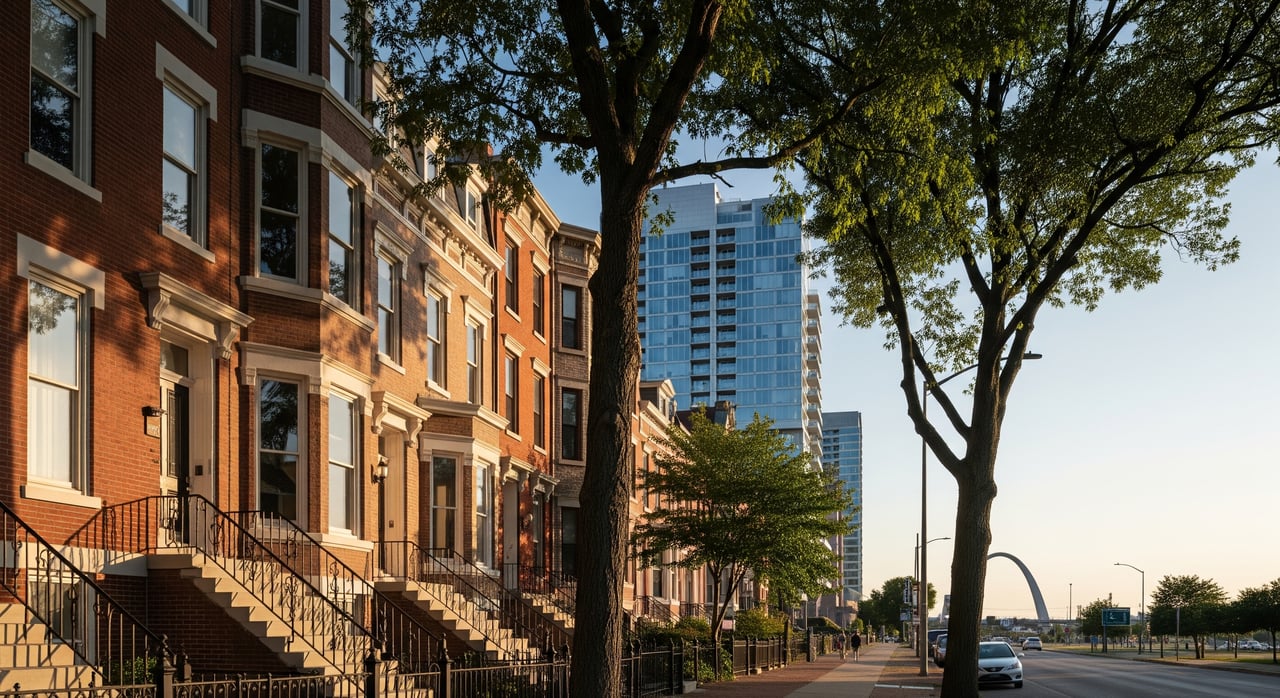
Downtown and central neighborhoods include mid‑ and high‑rise condos and historic loft conversions. These often have shared systems and services that shape dues and reserves. Near‑urban and inner suburbs have more townhome communities, some fee‑simple, where exterior responsibilities vary.
Flood risk and location
Parts of the metro lie in flood‑prone areas. Lenders may require flood insurance based on floodplain status. Verify property‑specific risk early, since flood is not covered by standard homeowner or HO‑6 policies.
Building age and capital projects
Older conversions can have ongoing needs for plumbing, wiring, roofing, or elevator work. If reserves are thin and projects are looming, the risk of future assessments increases.
Financing and project approval
Some loan programs, including FHA, VA, and certain conventional loans, require condo project approval. Older or small conversions sometimes do not qualify, which can limit financing options. Confirm status early if you need those programs.
Transfer and administrative fees
Expect potential association transfer or estoppel fees at closing, and sometimes a capital contribution. Ask for a schedule of fees before writing an offer.
Environmental and health items
Radon is notable in Missouri, so testing is a smart step. In older buildings, be aware of potential lead‑based paint and related disclosures.
Which option fits your goals
- Choose a condo if you want the association to handle exterior maintenance and building systems, and you are comfortable with dues that reflect shared services and amenities.
- Choose a fee‑simple townhome if you prefer potentially lower monthly dues and do not mind managing roof, exterior, and yard responsibilities.
- Choose a townhome structured as a condo if you like the townhome layout but want association‑handled exteriors.
In every case, legal form matters more than the label. Review the declaration, budget, reserves, and meeting minutes to understand your true monthly costs and long‑term risk.
Ready to compare specific buildings and communities with a local pro by your side? Reach out to Show + Sell STL for clear guidance, vetted property options, and a smooth path from offer to close.
FAQs
What is the core ownership difference in St. Louis condos vs. fee‑simple townhomes?
- In a condo, you own the interior plus a shared interest in common elements; in a fee‑simple townhome, you own the unit and the land parcel, often including roof and exterior.
What do typical condo fees cover in St. Louis buildings?
- Fees commonly cover common area upkeep, exterior maintenance, master insurance, reserves, management, and amenities, with some buildings bundling utilities like water or trash.
How does insurance differ for condos versus townhomes in St. Louis?
- Condo owners usually carry HO‑6 coverage for interiors and loss assessment, while fee‑simple townhome owners typically carry HO‑3 or HO‑5 policies that insure the structure and lot improvements.
How can I tell if a townhome is legally a condo in St. Louis?
- Check the recorded declaration and bylaws; if the structure is a “condominium,” exterior and common elements are typically association‑maintained, even if it looks like a townhome.
What should I review to avoid surprise special assessments?
- Request the resale package, recent budgets, reserve study and balance, board minutes, insurance certificate with deductibles, and history of assessments and litigation.