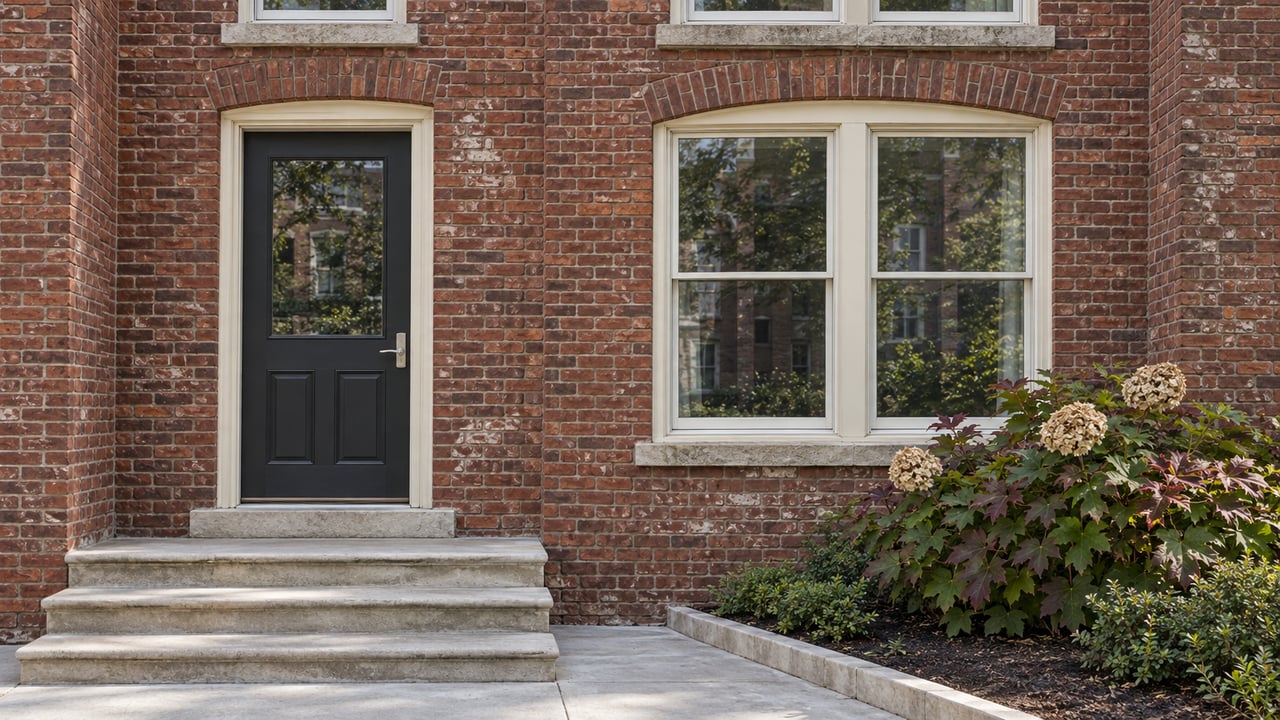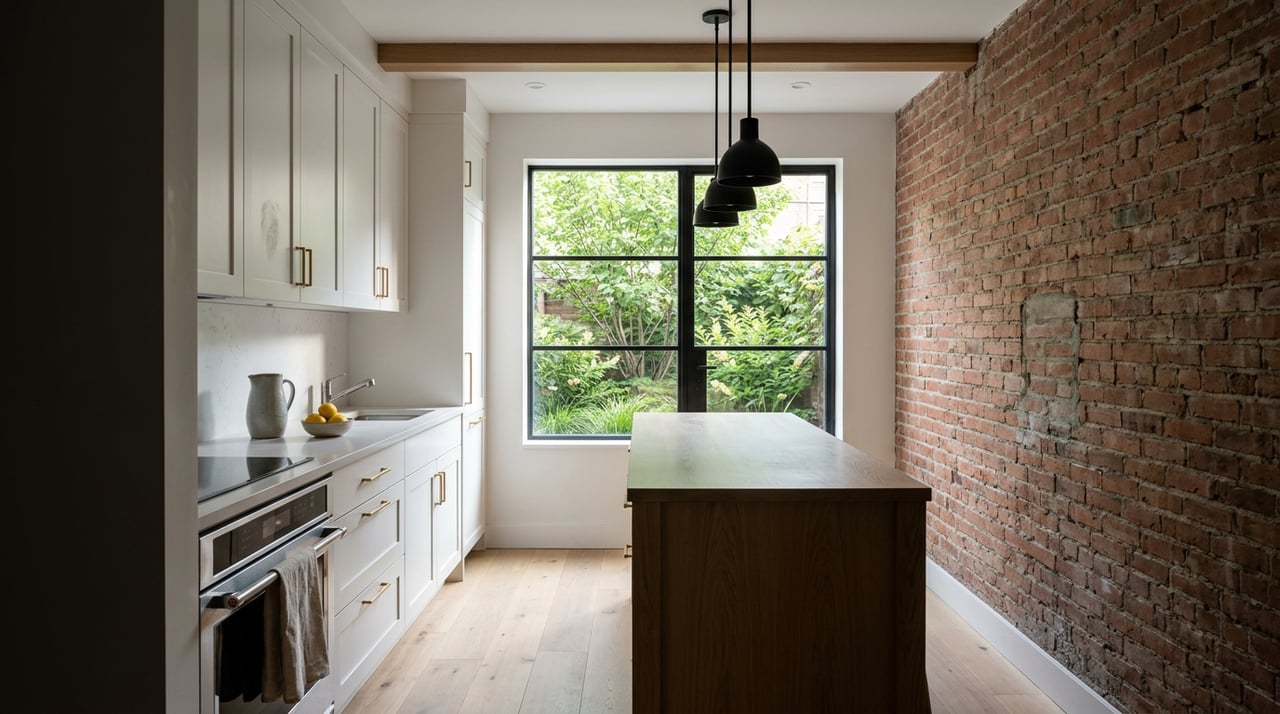
Consider two houses four blocks apart in the Shaw neighborhood, both gut-renovated brick two-families listed within $15,000 of each other. Same square footage, same finishes, same walk score. One house was five years into a ten-year property tax abatement. The other was closer to the end of its abatement window. Same price. Their tax bills could differ after closing.
That gap reflects how St. Louis city's tax abatement system works, and it is an important variable for anyone comparing renovated houses in the city's central corridor.
The Assessment Freeze, Not a Discount
St. Louis city runs a real estate tax abatement program administered by the St. Louis Development Corporation, which requires an ordinance passed by the Board of Aldermen for each project. The mechanism is simple on paper: when a house gets a significant renovation or new construction, the assessed value used for tax purposes freezes at the pre-development level for a set number of years, usually five to ten, while the market value of the improved house keeps climbing. A separate track, Chapter 353 abatement, can run as long as twenty-five years, BPM says; the city Assessor's Office says some Chapter 353 abatements generate two separate tax bills on the same parcel, one for the land and one for the pre-improvement structure.
The effect is that a buyer touring a renovated house in an abated year isn't seeing a discount. They're seeing a delay. The full tax bill on the improved value still arrives. It just arrives later, on a schedule that has nothing to do with the day they signed the deed.
The second house in that comparison wasn't overpriced; its tax outlook reflected where it stood in the abatement cycle. Its owner was about to feel the full weight of a reassessed property.
Where This Actually Shows Up on the Ground
Tax abatement in St. Louis city isn't spread evenly across all 79 neighborhoods. For more than two decades it has clustered heavily in the central corridor, the stretch of renovated brick housing running roughly from the Central West End south through Lafayette Square, Shaw, Botanical Heights, Tower Grove East, and Forest Park Southeast, the neighborhood many still call the Grove. Both St. Louis Magazine and the Riverfront Times have documented this pattern in detail over the years, and it lines up with what any agent working city listings will tell you: these are the same neighborhoods where you'll find the highest concentration of renovated, abated housing stock, because these are the neighborhoods where the renovation math has worked for the longest.
That history matters for a very practical reason. If a buyer is comparing two houses in, say, Shaw and a similarly priced house in a neighborhood outside the historic abatement zones, the Shaw house is statistically more likely to be carrying an abatement clock that's already ticking, whether that's good news or bad news depends entirely on how many years are left.
The program keeps evolving too. In March 2024, the city adopted Ordinance 71795, opening a new path for existing owner-occupants in the JeffVanderLou and St. Louis Place redevelopment area to use tax abatement for property improvements they make themselves, not just for developers building spec houses. That's a sign the tool is still active and still being adjusted block by block, which means the pattern of who's abated and for how long will keep shifting rather than settling into something a five-year-old blog post can describe accurately.
What Happens When the Abatement Ends
There's no soft landing built into the schedule. The City of St. Louis Collector of Revenue Office says property assessment occurs every other year, in odd-numbered years. A homeowner who has spent years paying taxes on a pre-renovation assessment can see a real increase in a single billing cycle, and if that owner has a mortgage escrow account, the lender will recalculate the monthly payment to match, not just the annual tax bill.
This is the scenario that makes tax abatement status a genuine underwriting question, not a nice-to-know. A buyer stretching to qualify for a mortgage payment that assumes today's abated tax line is budgeting against a number that has an expiration date printed somewhere in city hall's files.
How to Find Out Before You Write an Offer
The information is available. Here's where to get it:
- Call the city Assessor's Office directly at (314) 622-5543 and ask whether the specific property is currently receiving tax abatement, and if so, what year it began and what year it ends. The Assessor's office doesn't create abatements, but they track the status.
- Ask your agent to pull the ordinance or board bill number tied to the property, if one exists. Every abatement requires an ordinance passed by the Board of Aldermen, which means there's a public record with a start date and term length attached to it.
- Have your lender confirm how the current tax line factors into your payment calculation, and ask them directly what your payment would look like if the abatement ended tomorrow. A lender who hasn't priced that scenario is guessing along with you.
- If you're buying a house that was recently rehabbed rather than one that's a few years into its term, ask when the permit was pulled and when the abatement clock actually started, since the ordinance date and the completion date aren't always the same.
A phone call or two can help a buyer check the abatement details before writing an offer.
The Number That Actually Matters
Median price and price per square foot tell you what a house costs today. They tell you nothing about what it will cost to own in year six or year eleven if that house is sitting on a countdown clock installed by an ordinance passed years before you ever toured the place. Two houses at the same price on the same block can carry entirely different five-year futures, and the only way to know which one you're buying is to ask the question the listing photos will never answer.
If you're comparing renovated houses in the city's central corridor and want someone to run the actual abatement math on a specific address before you write an offer, Show + Sell STL works these neighborhoods block by block and knows which questions to ask the city on your behalf. Reach out and get your free home valuation, whether you're buying into an abatement clock or selling one off.
This article is general information, not legal, tax or financial advice. Consult a qualified professional about your situation.