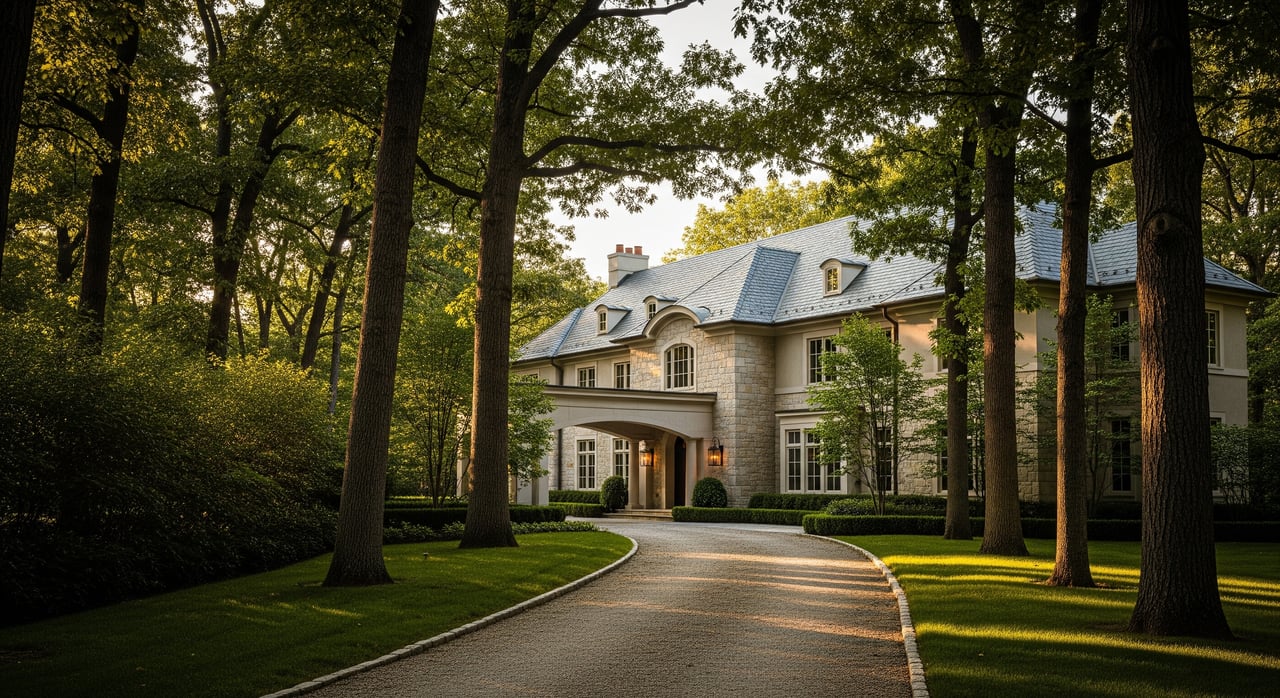
Want to sell in Town and Country without your home becoming the talk of the neighborhood? You are not alone. Many luxury and country‑club property owners want privacy, control, and a process that protects their time. In this guide, you will learn how Compass Private Exclusives work, who typically benefits, how targeted exposure is managed, and when it makes sense to move to the full MLS for maximum reach. Let’s dive in.
What is a Compass Private Exclusive?
A Compass Private Exclusive is a limited‑exposure listing option that lets you market your home selectively rather than going public on the MLS. Your home is quietly shared with a controlled group of vetted buyers through Compass agents and trusted local broker networks. No yard sign or open houses are required unless you approve them.
The goal is simple: protect your privacy while still reaching real buyers who are qualified and serious. Showings are curated, and buyers may be asked for proof of funds or pre‑approval before stepping through the door.
To discuss whether a Private Exclusive is appropriate for your Town and Country property, request a confidential consultation with Show + Sell STL.
Why Town and Country sellers choose it
Town and Country is known for large lots, estate‑style homes, and proximity to private clubs. Sellers in this area often value discretion, controlled showings, and reduced disruption at home. A Private Exclusive helps you test pricing and interest with qualified buyers while limiting publicity and foot traffic.
You also keep control of timing. If you want to coordinate a move, complete improvements, or simply keep your plans quiet, a private window gives you breathing room.
Who it fits best
A Private Exclusive can be a strong fit if you:
- Prefer privacy due to a public profile or executive role.
- Are navigating a sensitive life event where discretion matters.
- Own a unique property with security or privacy considerations.
- Want to test price and buyer interest before going public.
- Want fewer showings, no open houses, and no yard sign.
It tends to work best for high‑value estates, country‑club homes, acreage, and custom residences where buyers are often found through agent networks. There is no hard rule, so your agent should tailor thresholds and strategy to Town and Country’s luxury segment.
How targeted exposure works
Compass network outreach
Your listing is shared with Compass agents who have active buyers that match your criteria. These buyers are often already working with agents and ready to move if the right home appears.
Broker‑to‑broker collaboration
Your agent may conduct direct outreach to trusted local luxury brokers, relocation specialists, and private client teams. This is focused, professional contact that respects your privacy.
Vetted showings and private materials
- Buyers may be asked for pre‑qualification letters or proof of funds before scheduling a preview.
- Curated, invitation‑only tours can be arranged for select agents and buyers.
- Private brochures or virtual tours can be shared via password‑protected links with vetted parties only.
Outreach is based on legitimate business criteria and buyer qualifications. Marketing should never target or exclude anyone based on protected characteristics.
Reporting and cadence
You should receive clear reporting on inquiries, vetted buyer profiles, scheduled showings, and any offers. Agree on an update schedule at the start so you always know where things stand.
Pricing and quiet market testing
Pricing still matters. You and your agent should use a full comparable sales analysis to set a price that fits the market. Some sellers choose a market‑competitive price to prompt early action from a smaller buyer pool. Others price more conservatively to build momentum. If lender or estate valuation will be a factor, consider a pre‑listing appraisal.
Many sellers plan a short private marketing window, often 2 to 4 weeks, with a defined fallback to go public if activity is too light. A clear plan keeps the process decisive and reduces time on market later.
When to go public on the MLS
Moving from private to full MLS exposure is common. Triggers include:
- Limited qualified activity or no strong offers within an agreed trial period, often 2 to 6 weeks.
- A shift in your goals, such as needing a faster sale or broader competition.
- New competing listings or changing market conditions.
- Feedback that suggests the price is out of alignment with buyer expectations.
When you choose to go public, your agent should review private‑period feedback, refine pricing and presentation, and prepare a polished launch. Previously vetted buyers should be notified and given a fair window to act if they intend to submit an offer.
For a private review of your home’s market position and a written plan for discreet marketing, schedule a confidential consult with Show + Sell STL.
Step‑by‑step plan you can expect
Before listing
- Confidential consult to define goals, timing, and the threshold for going public.
- Preparation of high‑quality private materials, such as a password‑protected brochure or video tour.
- Agreement on vetting standards for buyers, including proof of funds or pre‑approval.
- Written authorization for off‑market status and confidentiality protocols.
During private marketing
- Targeted outreach to Compass agents and selected local brokers.
- Curated, scheduled previews for qualified buyers.
- Transparent weekly updates covering inquiries, vetted buyers, showings, and offers.
If you transition to MLS
- Review private‑period results and refresh pricing with updated comps.
- Prepare full photography, staging, disclosures, and a firm launch date.
- Leverage any private interest for early negotiations to maintain momentum.
- Track inquiries closely and adjust negotiation strategy as needed.
Legal and ethical guardrails
- MLS and Clear Cooperation: The National Association of REALTORS has a Clear Cooperation Policy that generally requires listings to enter the MLS when marketed to the public. Limited, non‑public marketing is still permissible, but local rules and interpretations vary. Your agent should confirm how policies apply in our region before starting.
- Fair housing: Targeted outreach must be based on legitimate business reasons and buyer qualifications, never on protected characteristics.
- Documentation: Your instructions about private status, timing, showing protocols, and any confidentiality terms should be in writing.
- Buyer vetting: Non‑disclosure agreements and proof‑of‑funds requests are common; your brokerage should review templates for compliance.
- Fiduciary duty: Even with reduced exposure, your agent must seek the best price and terms, disclose material facts, and avoid conflicts.
Risks and how to manage them
- Risk: Fewer competitive bids may reduce the sale price.
- Mitigation: Set realistic pricing, keep the private window defined, and have a clear MLS transition plan.
- Risk: Perceived unfairness or discrimination.
- Mitigation: Use objective criteria for outreach and keep documentation of your process.
- Risk: Policy violations.
- Mitigation: Confirm local MLS rules and obtain written seller authorization before marketing.
- Risk: Wasted showings with unqualified buyers.
- Mitigation: Require pre‑registration and proof of funds or pre‑approval before showings.
Is a Private Exclusive right for you?
If you value privacy, controlled access, and a measured approach to price discovery, a Compass Private Exclusive can be a smart first step in Town and Country. The key is a disciplined plan: set clear goals, define your private window, track real‑time feedback, and be ready to go public if it serves your best outcome. When handled well, you protect your privacy while still positioning your home for a strong result.
Ready to explore a discreet path to market? Request a confidential consult with Show + Sell STL to get a tailored plan and timing options that fit your goals.
FAQs
What is a Compass Private Exclusive and how does it differ from MLS?
- It is a limited‑exposure listing shared privately with vetted buyers and trusted agents rather than being posted publicly on the MLS, allowing greater control and privacy.
Who in Town and Country is a good fit for a Private Exclusive?
- High‑value estate owners who want privacy, are testing pricing, or prefer fewer showings, including executives and sellers with sensitive timelines.
How long should the private period last before going public?
- Many sellers use a 2 to 6 week window, with the exact timeline set during your initial planning based on goals and market feedback.
Will a Private Exclusive hurt my sale price?
- Reduced exposure can narrow the buyer pool, but disciplined pricing and a defined MLS transition plan help protect value.
How are buyers vetted before showings?
- Your agent may require pre‑approval or proof of funds and buyer‑agent registration before scheduling a tour.
Can I avoid yard signs and open houses with this approach?
- Yes. Yard signs and open houses are optional and only used if you approve them.
Is a Private Exclusive compliant with MLS rules?
- Limited, non‑public marketing can be permissible under Clear Cooperation policies, but your agent must confirm local rules and document your instructions.
What happens if I get an offer during the private window?
- Your agent will present terms, advise on negotiation, and help you decide whether to accept, counter, or proceed to a public launch.
Do I need an appraisal if I sell privately?
- It can help if lender or estate valuations matter; your agent can advise whether a pre‑listing appraisal makes sense.
How do I get started with a Private Exclusive in Town and Country?
- Schedule a confidential consult to define goals, pricing, and your private marketing plan, then agree on buyer vetting and reporting cadence.